A call to community solidarity as immigration enforcement impacts local economies
Across Minnesota, Latino and immigrant-owned businesses are facing an unprecedented combination of economic challenges and community fear as federal immigration enforcement ramps up in the Twin Cities and surrounding areas. The heightened presence of federal agents and ICE operations has led to widespread anxiety, reduced foot traffic, and significant revenue declines for businesses that form the backbone of Latino neighborhoods.
Find Latino-owned businesses near you
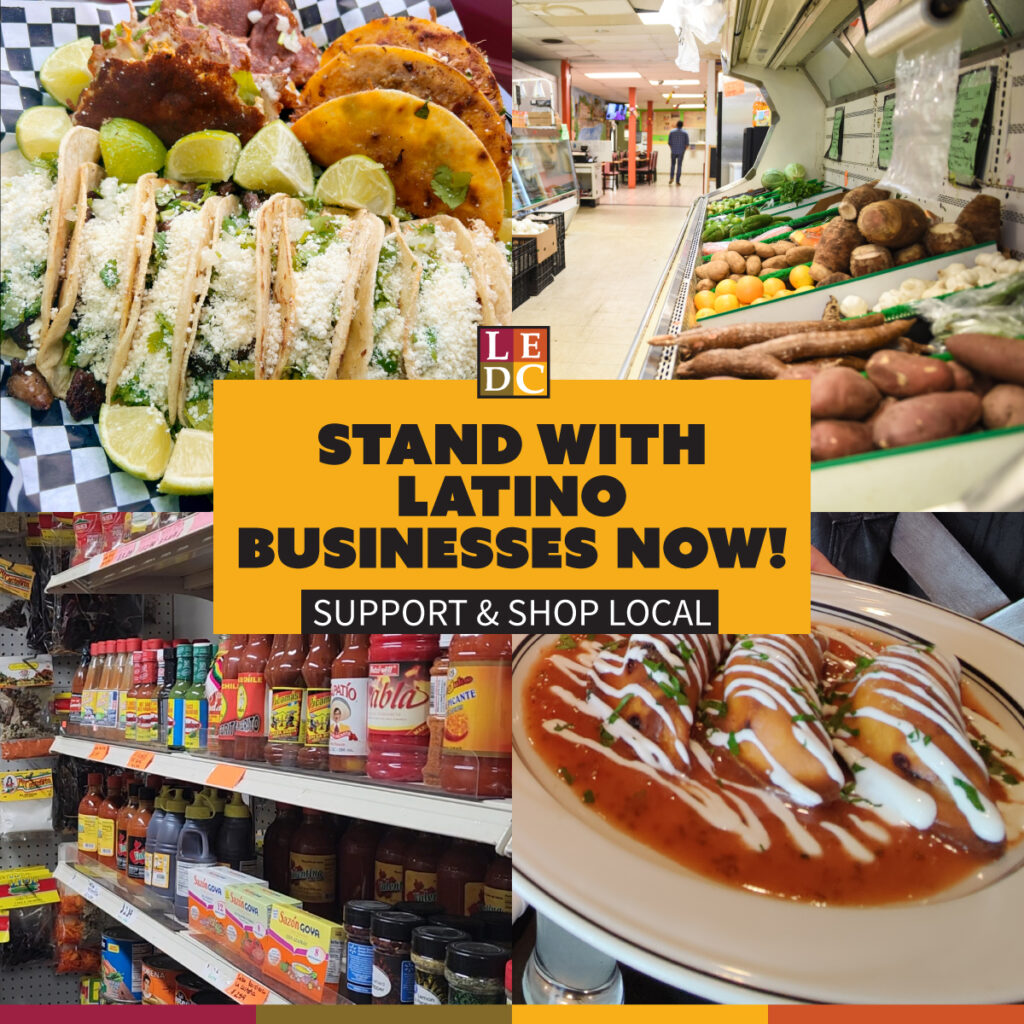
Support our local corridors.
✅ Grab a meal ✅ Book an appointment ✅ Buy a gift card ✅ And more…
How You Can Support
Now more than ever, our communities must show up with intention and solidarity. Supporting local businesses is a powerful and immediate way to show that Latino families and entrepreneurs are valued members of Minnesota’s economic and cultural landscape. Here are practical ways to help:
🛍️ Buy In Person
Visit Latino-owned shops, restaurants, markets, and services — showing up in person boosts revenue and restores confidence for other customers to return.
📞 Order Online or By Phone
Many businesses have adapted by offering delivery, pick-up, or online ordering. Choosing local alternatives keeps dollars circulating within the community.
🗣️ Spread the Word
Share your favorite local business on social media, write a positive review, or recommend them to friends and neighbors. Word of mouth matters.
📍 Explore Neighborhood Hubs
Make it a point to explore and support businesses along:
- Lake Street (Minneapolis)
- Central Avenue (Minneapolis)
- Payne Avenue (Saint Paul)
- Richfield & Bloomington commercial corridors
- To name a few
🤝 Show Solidarity
Attend community rallies and events that uplift immigrant and Latino businesses, and participate in multicultural celebrations that affirm that these enterprises are essential parts of Minnesota life.
💡 Advocate for Policy Solutions
Support local measures and policies that protect small businesses and immigrant communities, including “Know Your Rights” outreach and stabilization initiatives for impacted corridors.
How Enforcement Activity is Affecting Local Businesses
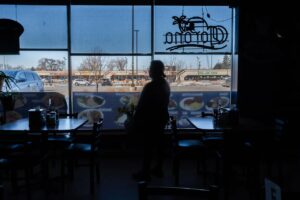
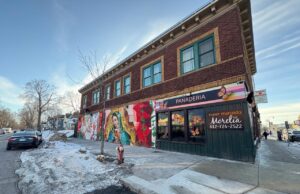
Recent enforcement sweeps involving federal law enforcement have not only sparked protests and deep community concern, but they have also had serious economic consequences. Many long-established Latino businesses report steep drops in customers as residents avoid public spaces out of fear for their safety — even when individuals are in the country legally. On corridors such as Lake Street in Minneapolis, shops and restaurants historically bustling with activity are seeing sharp declines in foot traffic and sales.
In one example, owners in the Midtown Global Market reported that sales were down 20–25%, with regular customers staying home due to fear of enforcement activity. Other businesses have shifted to alternative approaches like home delivery to meet community needs while keeping sales flowing amid the uncertainty. In south Minneapolis, families and business owners organized free delivery services — not just to boost revenue but to support residents who feel unsafe leaving their homes.
Economic studies and analyses of similar enforcement spikes in other cities show that this “climate of fear” acts like an economic shock: customers stay home, workers don’t show up, and local economies weaken in the long term. Latino-owned businesses — which are concentrated in food services, retail, and other labor-intensive sectors — are especially vulnerable.
Why It Matters
Latino and immigrant business corridors like Lake Street, Central Avenue, Payne Avenue in Saint Paul, and neighborhoods in Richfield and Bloomington are more than just places to shop or eat — they are community hubs. They provide jobs, cultural connection, and economic stability for families who have invested their lives in Minnesota. When these businesses suffer, the impact ripples through entire neighborhoods.
People First — Community Always
LEDC stands with Latino and immigrant business owners in this difficult period. We believe that people always come first. Our economy, our neighborhoods, and our shared future depend on thriving local businesses where cultural identity, entrepreneurship, and community resilience intersect.
Let’s keep supporting one another — proudly, safely, and with purpose. Shop local, recommend your favorites, and remind your neighbors that economic vitality is a collective responsibility.
Together, we are stronger.